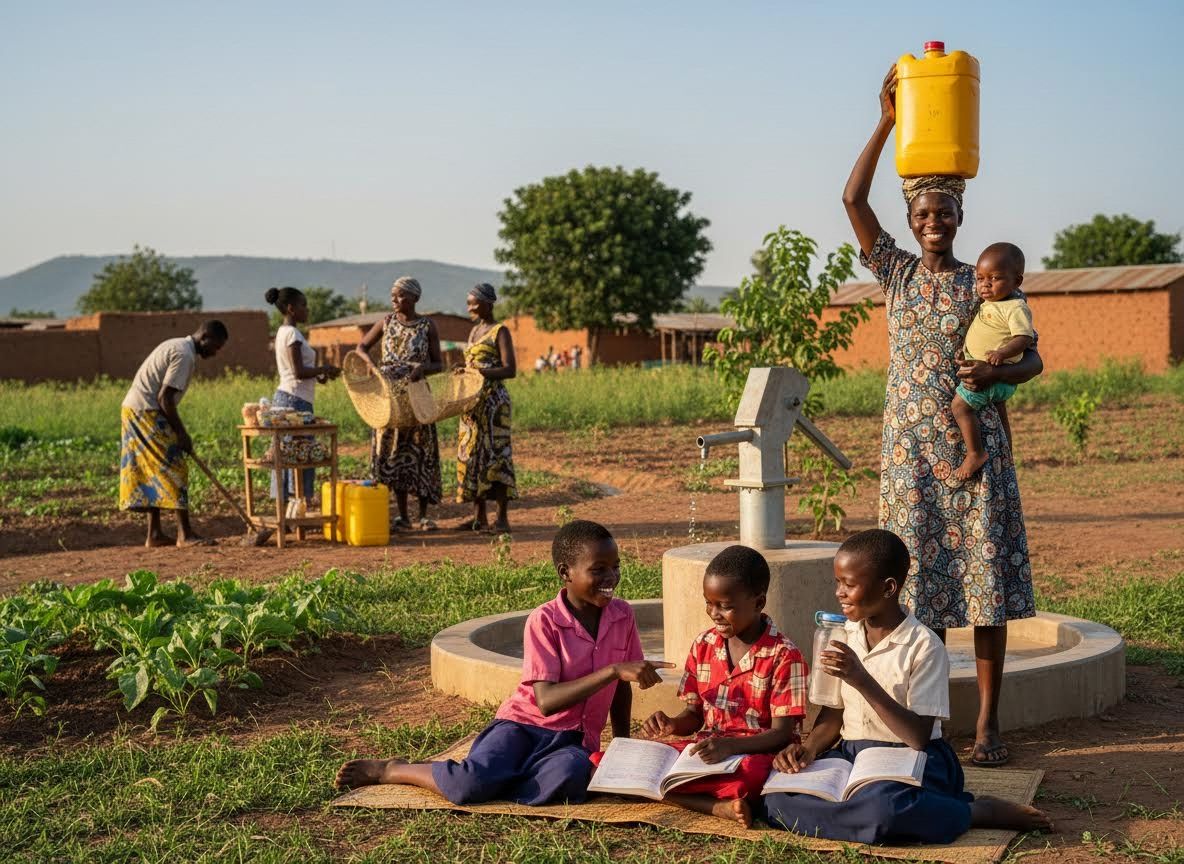
While the immediate and life-saving benefits of clean water are clear, its ripple effects extend far beyond quenching thirst and preventing disease. Access to safe drinking water, a fundamental human right, acts as a powerful catalyst for comprehensive community transformation, often leading to profound and unexpected positive changes that Light Beneath the Well Foundation is dedicated to fostering.
Boosting Educational Attainment
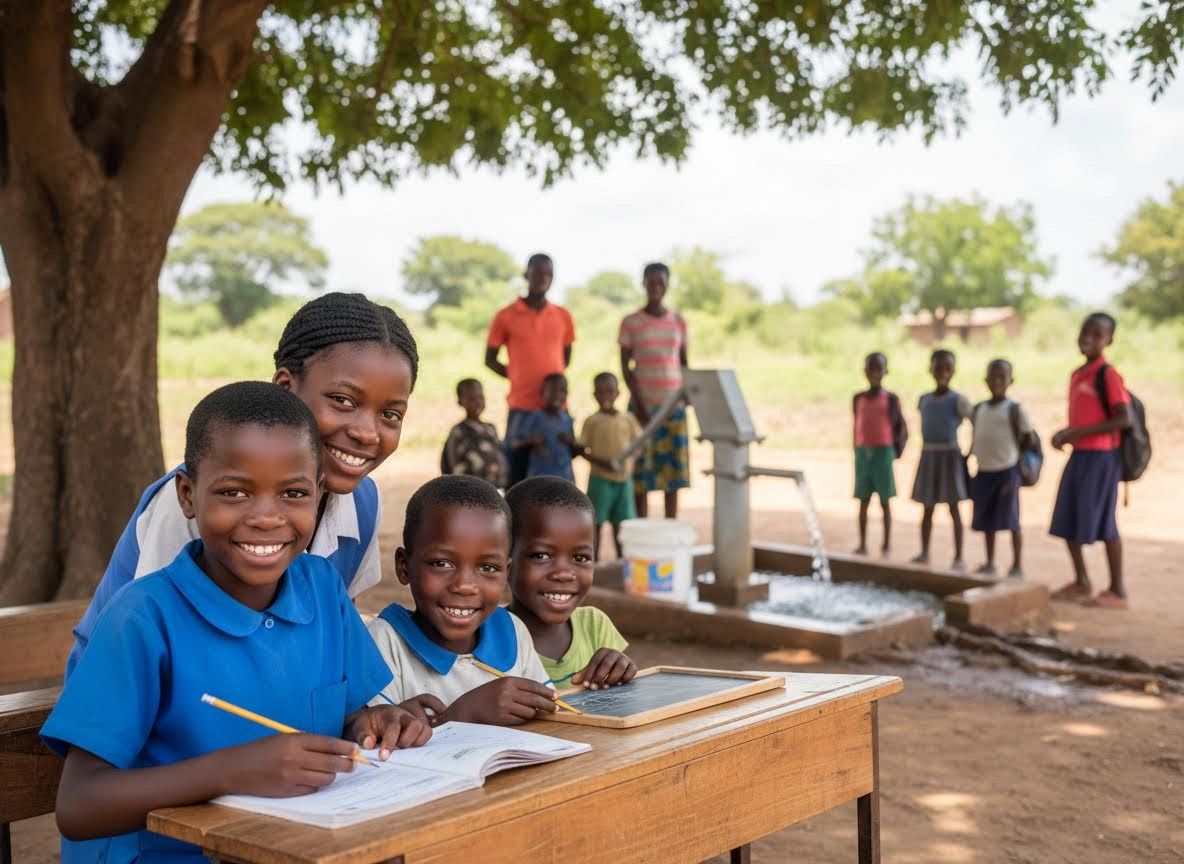
One of the most significant and often overlooked impacts of providing clean water is its direct link to improved educational outcomes. When a community gains access to a nearby, reliable water source, children, particularly girls, are freed from the arduous daily chore of fetching water, which can consume hours. This newfound time allows them to attend school regularly and focus on their studies. Furthermore, reduced incidence of waterborne illnesses means fewer school days missed due to sickness, allowing students to learn without interruption and thrive academically. This directly supports efforts to sponsor a child in Africa, ensuring they have the opportunity to pursue their education.
Fueling Economic Growth
Beyond health and education, clean water serves as a cornerstone for economic development. With consistent access to water, communities can explore more diverse livelihood opportunities. Individuals who once spent hours seeking water can now dedicate that time to income-generating activities such as farming, small businesses, or vocational training. Healthier adults are more productive and less likely to miss work due to illness, contributing to stronger local economies. This economic ripple effect is crucial for helping communities in Uganda build sustainable futures and break cycles of poverty.
Strengthening Social Fabric and Gender Equality
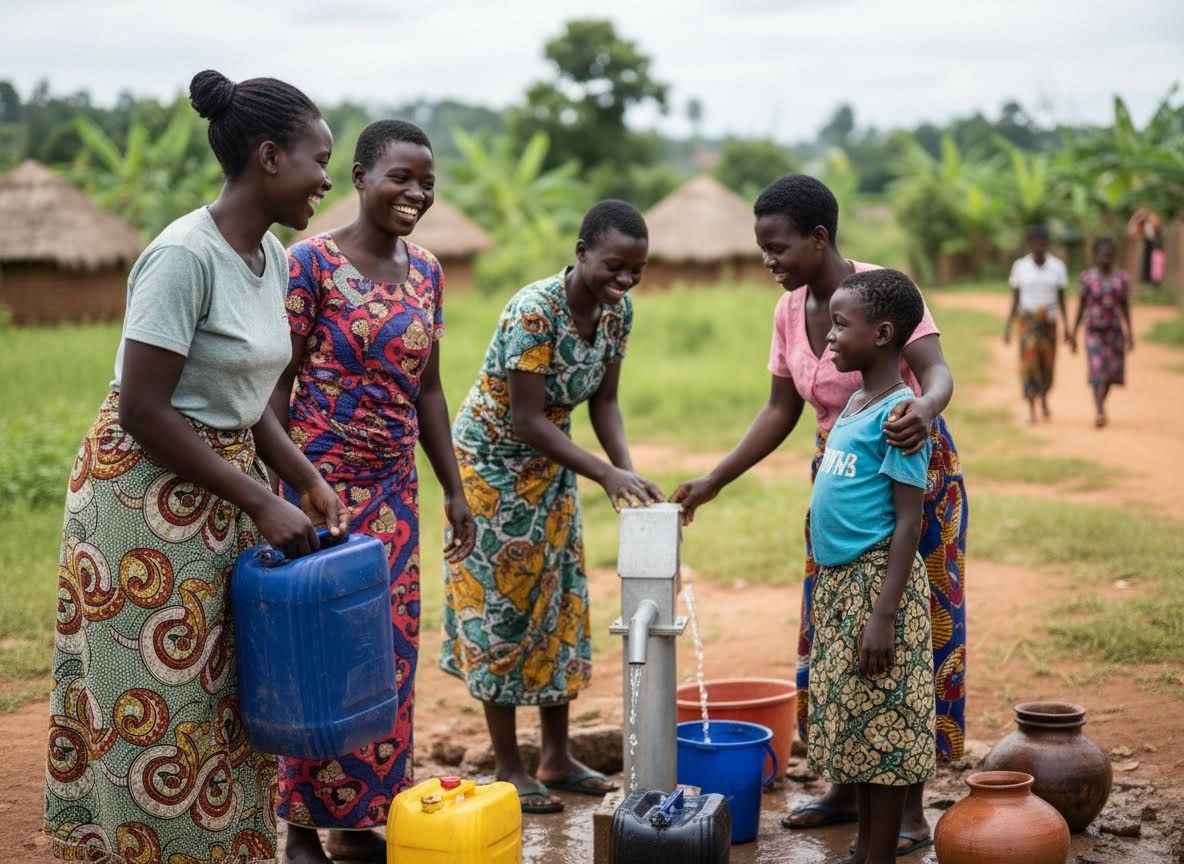
The presence of accessible clean water profoundly impacts social dynamics and gender equality within communities. The burden of water collection traditionally falls disproportionately on women and girls, limiting their participation in social, economic, and political life. When this burden is alleviated, women gain more time and agency, leading to increased empowerment and a greater voice in community decisions. Additionally, readily available water can reduce conflicts over scarce resources and foster a stronger sense of community and cooperation, which is a common goal among non-profit organizations in Uganda.
Fostering Environmental Stewardship
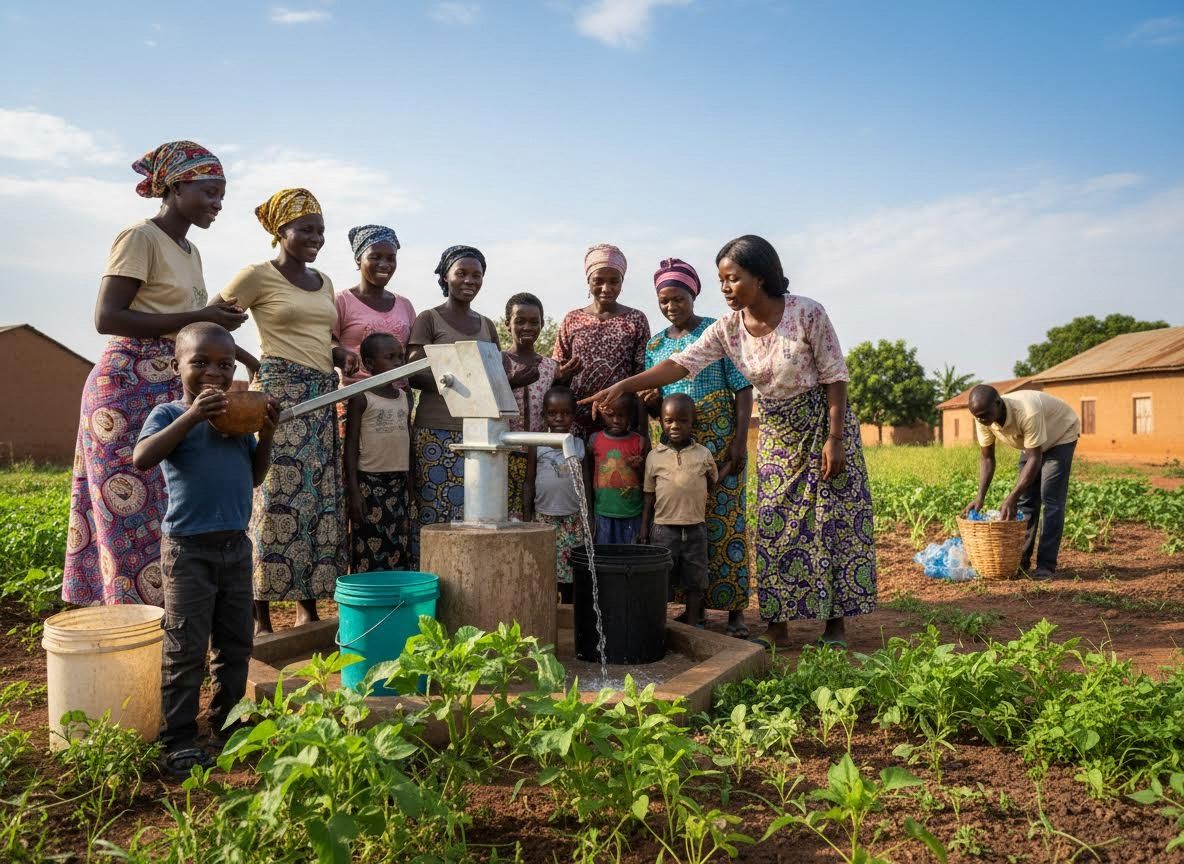
Clean water initiatives, particularly the establishment of water wells for Africa, often bring with them an unexpected benefit of increased environmental awareness and stewardship. When communities have a reliable and safe source, there is a greater incentive to protect and manage this vital resource sustainably. This can lead to better land management practices around water points, reduced contamination of natural water bodies, and an overall heightened understanding of ecological balance. Educating communities on water hygiene naturally extends to broader environmental protection, promoting a responsible relationship with natural resources.
The multifaceted advantages of providing clean water clearly transcend immediate needs, laying the groundwork for lasting positive change in health, education, economy, and social well-being. These deeper, interconnected impacts underscore the transformative power of access to safe water as a catalyst for sustainable development within communities. To learn more about how Light Beneath the Well Foundation harnesses the power of clean water to empower individuals and uplift entire communities, we invite you to explore our initiatives and success stories.