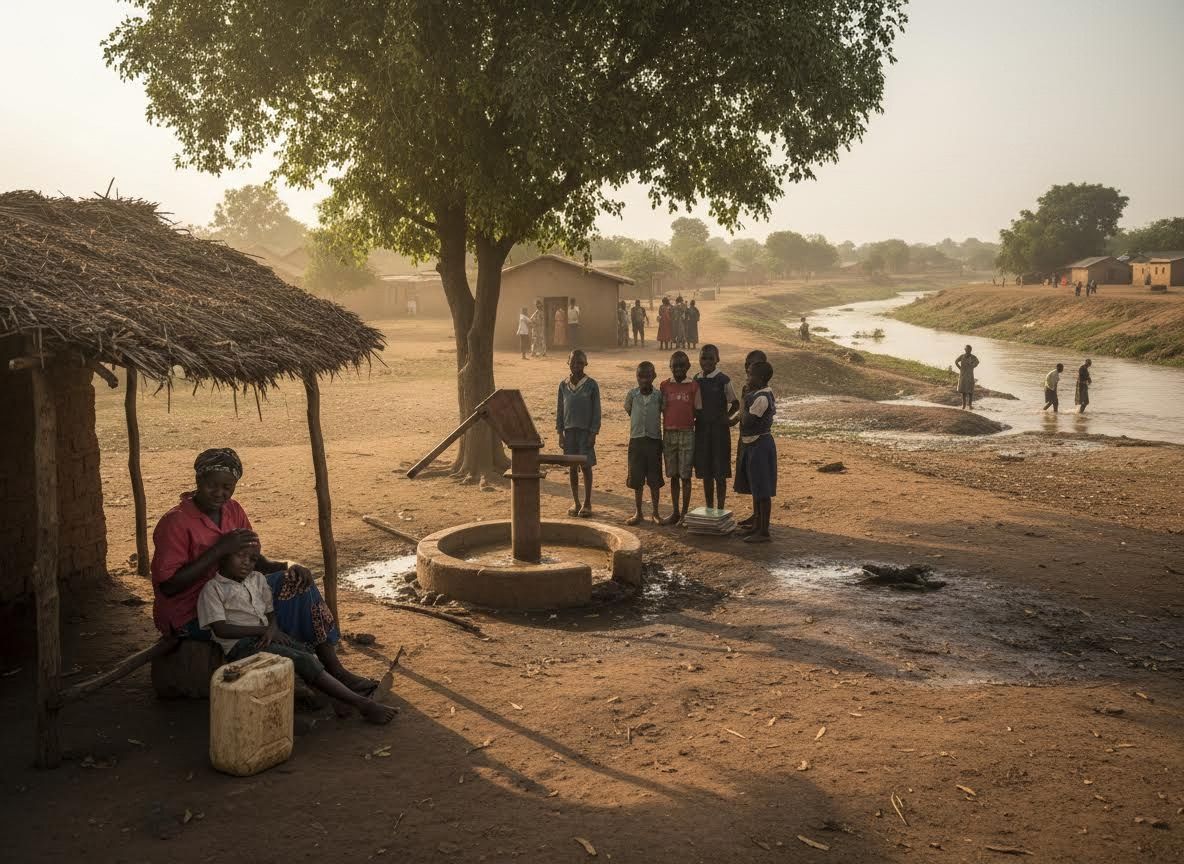
Waterborne illnesses pose a pervasive, yet often underestimated, global challenge, silently impacting millions and hindering progress in vulnerable communities worldwide. At Light Beneath the Well Foundation, we are deeply dedicated to shining a light on these critical issues and working towards sustainable solutions that foster health and well-being. Our commitment is rooted in a compassionate understanding of the profound struggles faced by those without access to safe, clean water.

They Aren't Just About Short-Term Sickness
While often associated with immediate gastrointestinal distress, the repercussions of waterborne illnesses extend far beyond temporary discomfort. Many pathogens found in contaminated water can lead to chronic health conditions, affecting organ systems over time. For example, repeated exposure to certain contaminants can cause long-term kidney damage, neurological problems, and even increase susceptibility to other infections. The invisible burdens of these illnesses can silently erode an individual's health and quality of life for years, making prevention even more critical.
The Economic Ripple Effect Is Devastating
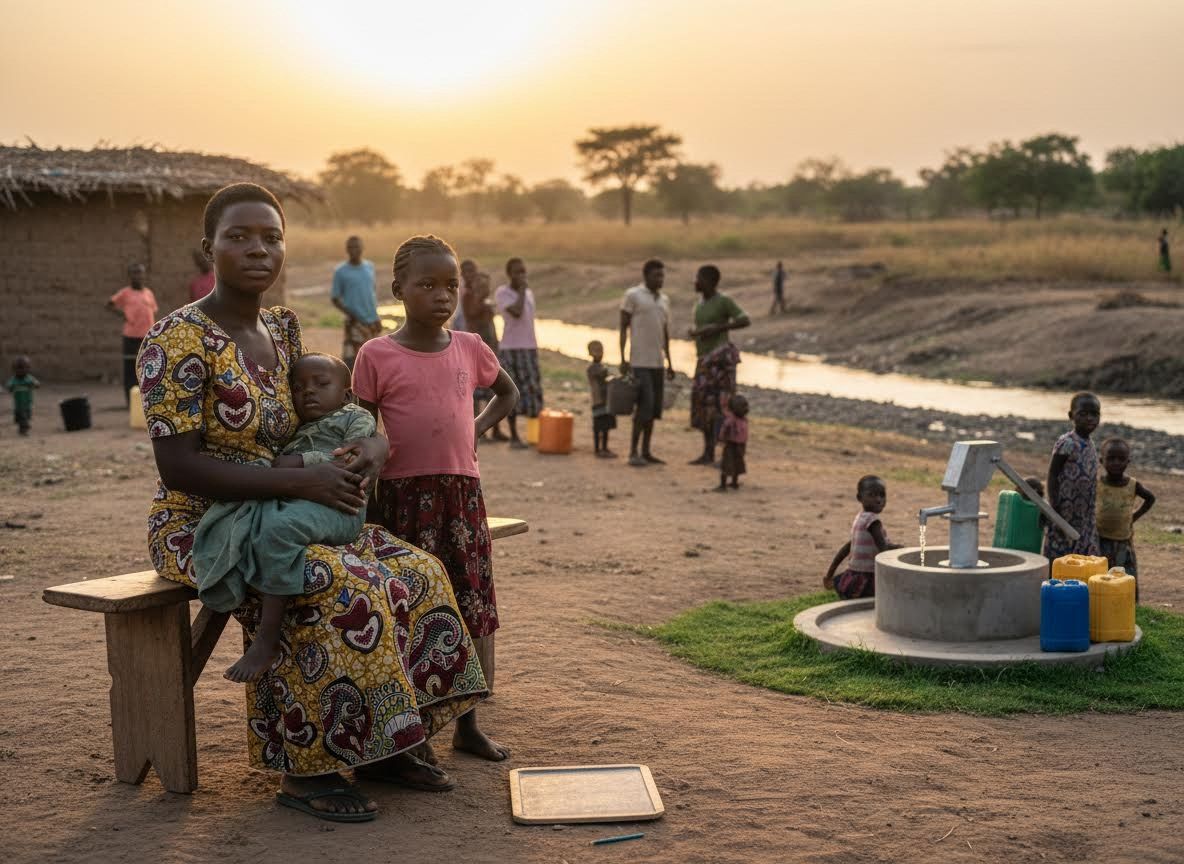
The human cost of waterborne illnesses is immense, but so too is the economic toll. Entire communities can be trapped in a cycle of poverty when members are constantly ill, unable to work or attend school. Healthcare systems are strained by treating preventable diseases, diverting resources that could otherwise be used for development. Productivity plummets, and families face significant financial burdens from medical expenses and lost wages. Investing in clean water infrastructure, such as water wells for Africa, is not just a health initiative; it's an economic development strategy, empowering communities to thrive.
Education and Development Are Severely Undermined
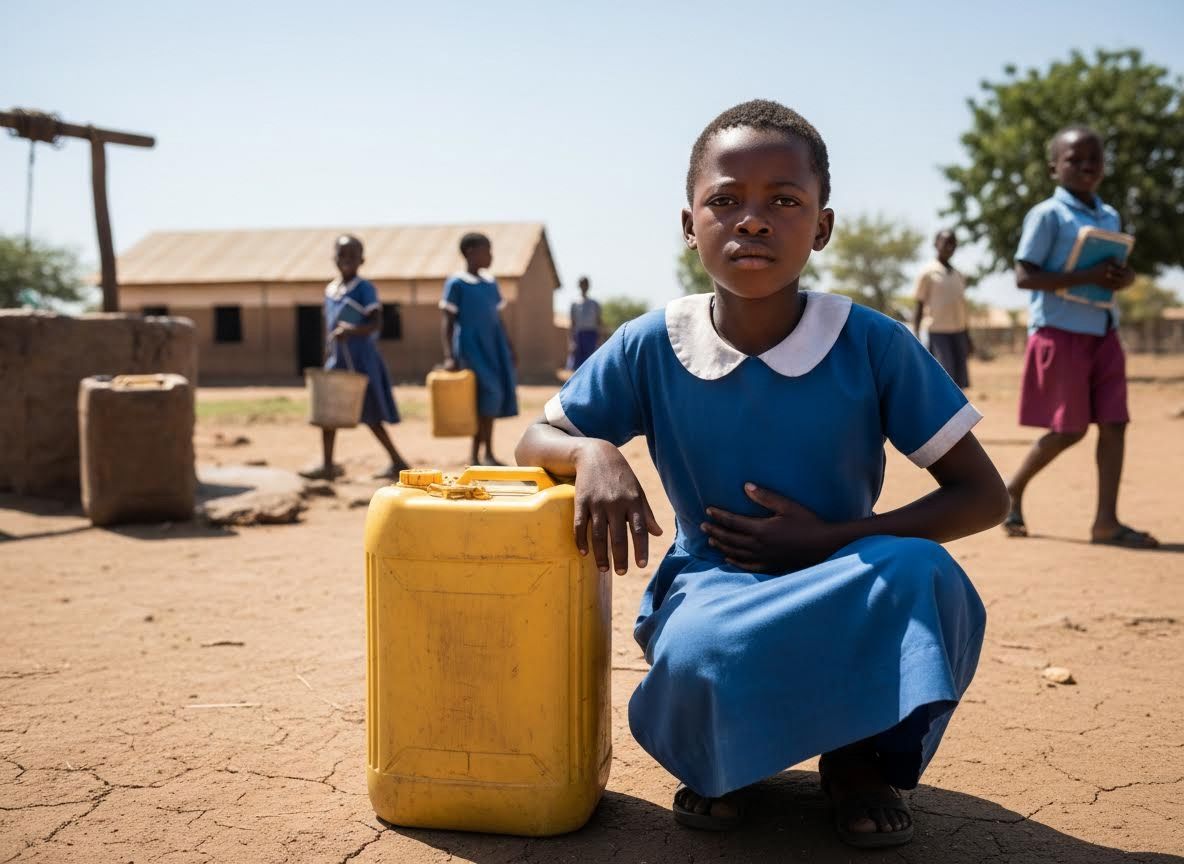
Children are particularly vulnerable to waterborne illnesses, and their frequent sickness has a direct and detrimental impact on their education and future prospects. Days missed from school due to illness or the need to fetch water from distant, often contaminated, sources result in missed learning opportunities. This cycle perpetuates illiteracy and limits future employment options, hindering a child's ability to break free from poverty. Initiatives that sponsor a child in Africa often recognize that providing access to safe water is a foundational step in ensuring a child's right to an education and a healthier future.
Climate Change Is Magnifying the Threat
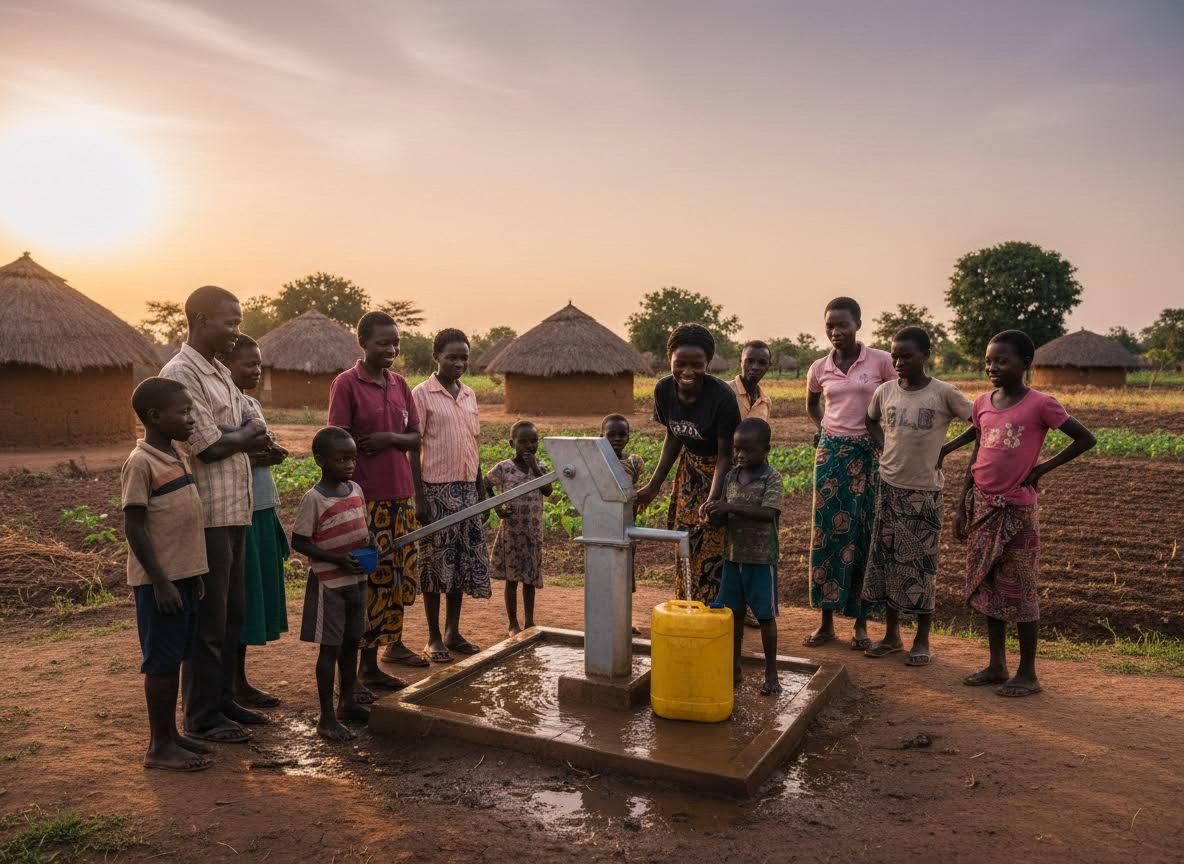
The increasing unpredictability of global weather patterns, including severe droughts and floods, is exacerbating the spread of waterborne pathogens. Floods can contaminate existing water sources, overwhelming sanitation systems, while droughts force communities to rely on unsafe, stagnant water. These environmental shifts create fertile ground for the proliferation of bacteria, viruses, and parasites. Addressing these complex challenges requires the dedicated efforts of non-profit organizations in Uganda and around the world, consistently helping communities in Uganda and other vulnerable regions build resilience and implement climate-adaptive water solutions.
Understanding the multifaceted impact of waterborne illnesses reveals their profound and often overlooked consequences on health, economy, and societal development. At Light Beneath the Well Foundation, we are passionately committed to tackling these challenges head-on, working with transparency and accountability to provide sustainable access to clean water. We invite you to learn more about our ongoing projects and how we are empowering communities towards a healthier future.